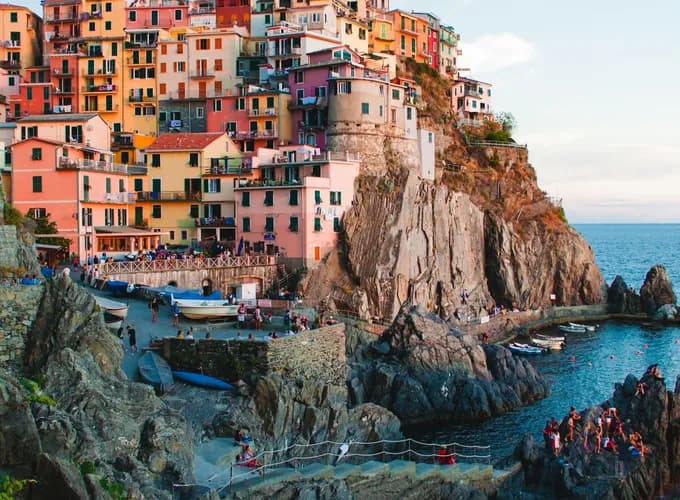
A city break built around neighbourhoods
Trade the cross-city checklist for a few good neighbourhood days, with time for the sights, food and small discoveries that make a place memorable.
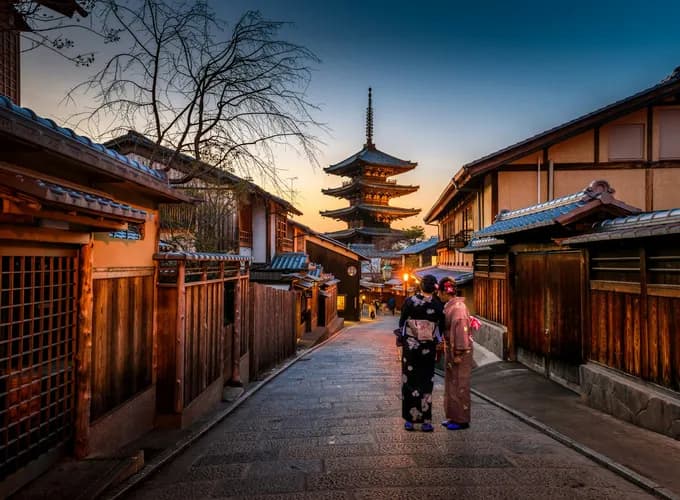
A city can look compact on a map and still turn a busy itinerary into a series of journeys. Grouping your plans by neighbourhood gives the day a shape without making every hour a deadline.
Pick one anchor for each day
Start with the museum, market, building or experience you most want to see. Check its current opening arrangements and place it at a sensible point in the day. Then find a few nearby possibilities instead of adding another major attraction across town.
An anchor gives you a reason to head out. The surrounding options give you choices once you know your energy, the weather and what catches your attention.
Make a short food list
Save a handful of places in the area, including an easy lunch and a more considered evening option. Avoid making every meal a reservation unless that is the main purpose of your trip.
If you have dietary needs, check them directly with a venue before relying on it. A little preparation can make the rest of the day more relaxed.
Let the route do some of the work
Look for a walk that connects your anchor with somewhere pleasant to pause. That pause might be a park, a waterfront or a café. The in-between part of the day is often where a city starts to feel less like a list of sights.
Leave a few saved places unused. Having options is helpful; feeling obliged to visit them all is not.
Keep an alternative close by
Choose one indoor option and one low-effort option near your base. They give you a good day when the weather changes or you simply want to slow down. You do not need an entirely separate backup itinerary.
Before booking another excursion, look at the time already spent crossing the city. Sometimes the most useful addition to a city break is another afternoon in the neighbourhood you already like.
Sketch one neighbourhood day
Choose one main stop, then build the day around places nearby. Before adding a second area, check the journeys from your accommodation and back again.
Copy these prompts into your trip notes:
- Main stop: What do you most want to do here? Save its official visitor page and check the opening day, entry arrangements and any booking you need.
- Journey: How will you get there from your base? Check the current route, walking access and return options. Leave room around a timed booking.
- Food: Save one nearby lunch option and a fallback. Ask the venue directly about any dietary requirements before relying on it.
- Pause: Pick somewhere to sit between stops. Leave part of the afternoon unbooked.
- Weather alternative: Choose a nearby indoor option and check whether it needs advance booking.
- Optional stop: Add something you can drop without losing the reason you chose this area.
For example, a fictional day might start with a booked museum visit, followed by lunch nearby and an optional walk. If rain changes the walk, the main visit still gives the day a purpose. Adding a distant evening attraction creates another journey to check; put it on a different day if the travel would crowd out your afternoon.
For a destination example, use the area choices in Kyoto beyond the sightseeing checklist. If meals are your main reason to travel, start with planning a holiday around food and choose the surrounding stops afterwards.