Your first safari: the questions worth asking
Before comparing beautiful camps, get clear on pace, guiding, transfers and the kind of wildlife experience you are hoping for.
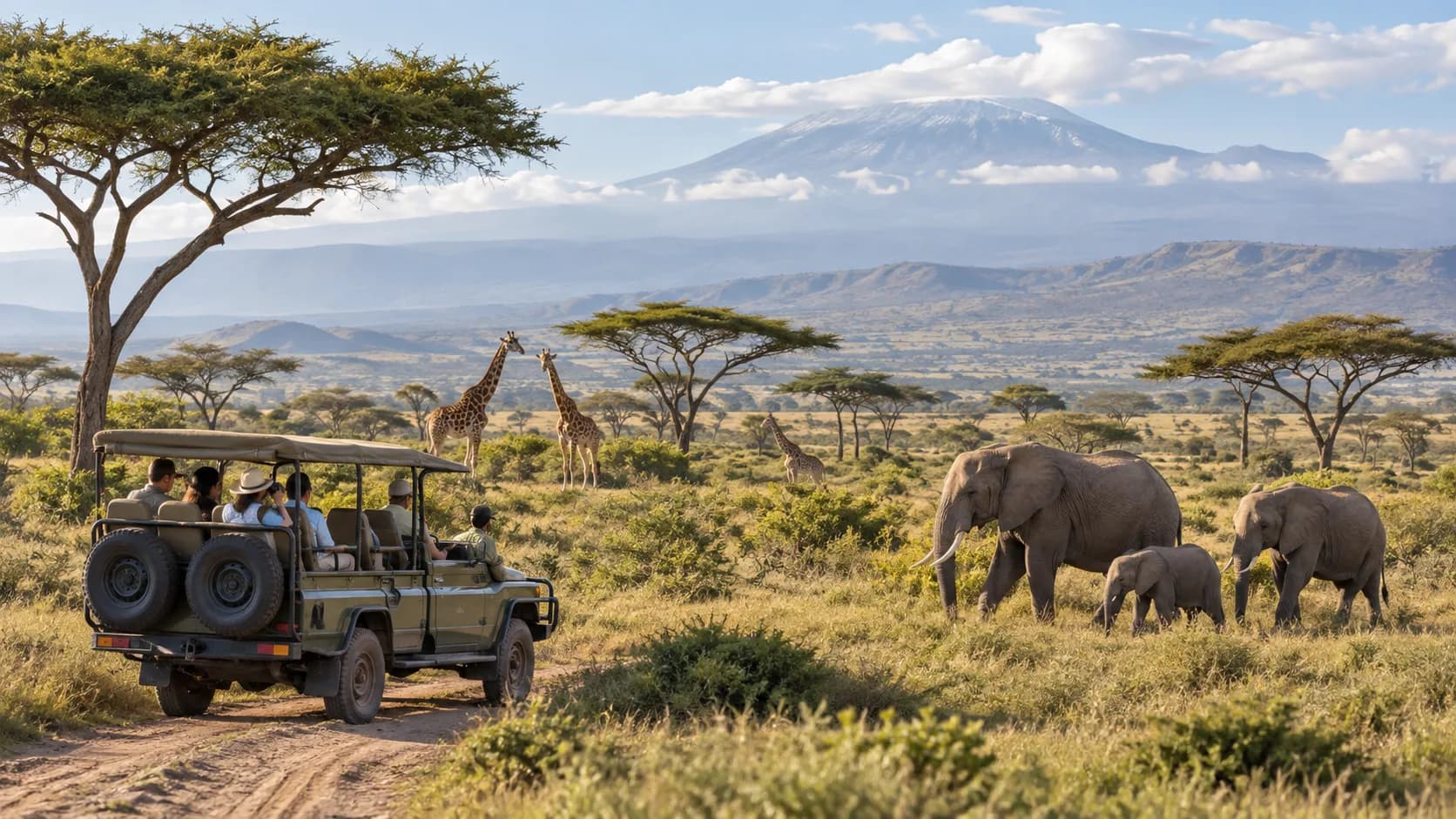
The first safari shortlist can be overwhelming. Camps, parks, routes and travel times all compete for attention. A better starting point is the experience you hope to have and the pace you can comfortably enjoy.
Describe the day you want
Are you excited about long hours watching wildlife, or would you prefer shorter outings with more time at camp? Are you travelling with children, keen photographers or someone who values quiet afternoons?
Share those details with your planner before comparing accommodation. They influence the route, the guiding arrangement and how much moving between places makes sense.
Ask about the full journey
Look beyond the number of nights. Ask how each transfer works, how much time is expected in a vehicle and what the arrival and departure days usually involve. Confirm what is included in the quoted arrangement and where additional costs may arise.
Travel conditions and wildlife movements vary. Ask the operator what is realistic for your chosen dates rather than treating a photograph as a promise of a particular sighting.
Understand the guiding arrangement
- Will you share a vehicle, and with how many other travellers?
- How are daily outings planned?
- What flexibility is available for your group?
- What guidance applies around wildlife and at camp?
- Who will help if the plan needs to change?
Clear answers help you compare experiences that may otherwise sound similar.
Build in time to settle
Changing camp every night can make a trip feel busy before an outing has even begun. Compare a route with fewer bases and more time in each. Staying longer can let you experience a place at different times without another packing day.
A safari is not a checklist with guaranteed results. Give it time, follow your guide's instructions and leave room for the unexpected moments that no itinerary can schedule.
Keep an answer record before making a shortlist
Ask each operator the same questions and keep their answers together. A useful record distinguishes a confirmed arrangement from an expectation or an unanswered question.
Copy these prompts into your notes. For each one, add the operator's answer, the date, where it was confirmed and anything still unresolved.
- Group and guiding: Is the vehicle shared or private? How many travellers may share it, how are outings planned and what flexibility is included?
- Whole journey: What happens from your arrival point to the first camp, between bases and on departure? Ask about expected journey times and what could change them.
- Inclusions: Which transfers, meals and activities are included in this arrangement? Ask the operator to identify anything you would need to arrange or pay for separately.
- Your dates: What experience does the operator consider realistic at that time? Record expectations as expectations, including any wildlife you hope to see.
- Changes: Who is your contact before departure and during the trip? Ask how changes to the planned journey would be discussed with you.
- Open questions: Which answer could change your choice of route or camp? Keep it visible until the operator responds.
For example, a fictional traveller wants shorter outings and time at camp. One operator describes a flexible schedule but has not confirmed whether the vehicle is shared. The traveller records that as an open question rather than treating “flexible” as a promise of private outings.
Once the answers are clear, use the realistic-route method to compare the number of bases and transfer days. For destination inspiration, Northern Tanzania with room to pause offers a starting point for discussing pace with your operator.